

Our Science
Mental Health Awareness Month: Learning, Advocacy and Support
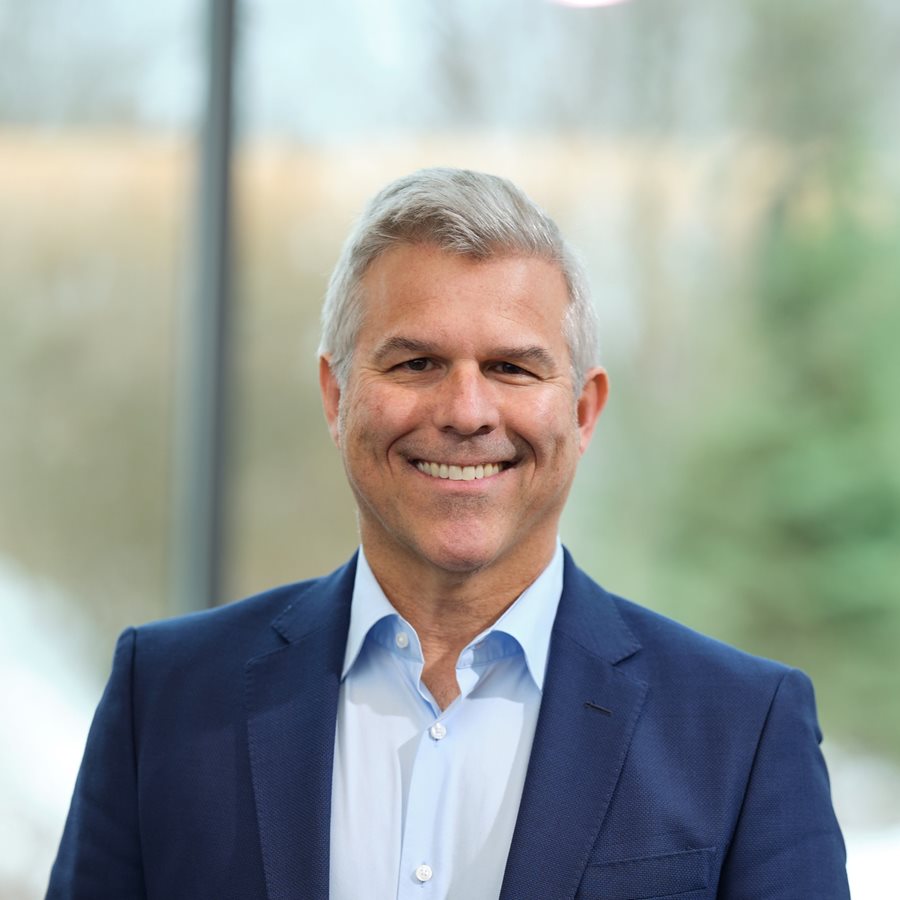
Jeff Harris
SVP & General Manager, Psychiatry/Addiction Business Unit
In recognition of Mental Health Awareness Month, Jeff Harris reflects on leadership, advocacy and the role each of us can play in supporting people living with serious mental illness.
Q: You’ve held a number of roles during your time at Alkermes. How has that journey shaped your perspective today?
Over the last 20 year at Alkermes, I’ve held various roles across multiple functions in the company as an individual contributor focused on the addiction business, in policy supporting patient access, and most recently leading within our commercial organization. Each of these roles has provided me perspectives of mental health and addiction from slightly different vantage points, which have shaped the way I approach both leadership and my daily responsibilities. The diseases we work on affect not only the lives of people living with them but also their families, friends, and communities. Alkermes is in a unique position to affect the lives of people living with serious mental illness on a large scale which I find extremely meaningful.
Q: How do you think about leadership and leadership development in your role today?
I’m proud to work at Alkermes where our core values include the pursuit of Great Science that makes a Real Impact for people living with complex neurological and psychiatric conditions. We are motivated by a Deep Compassion for patients, and we collaborate every day to ensure patients’ needs are at the center of our work. Those two principles –doing what’s right for patients and seeking to understand their lived experiences – are foundational to my leadership. Our teams take pride in doing meaningful work and we focus on continuous learning and improvement as we pursue our mission.
Q: As we recognize Mental Health Awareness Month, what motivates you to work on behalf of people living with serious mental illnesses?
During my time at Alkermes, I’ve been fortunate to learn from experts in behavioral health who have educated me about the burden and impact of serious mental illness. What’s resonated most is the power each of us has to combat a pervasive and pernicious issue in our societal culture: stigma. In addition to contributing to lasting negative consequences for patients and their loved ones, stigma and discrimination have been shown to have self-referential consequences: the more stigma that a patient feels, the less likely they may be to seek diagnoses and adhere to treatment.1
That disturbing reality underscores the importance of observances such as Mental Health Awareness Month, World Bipolar Day, World Schizophrenia Day and others that raise awareness of the impact that stigma carries and help counteract it.
Q: Why does sustained advocacy matter for people living with serious mental illness?
Serious mental illness is isolating, both for people living with the conditions and for the families who support them. These are complex, lifelong health challenges, and successfully navigating the healthcare system, understanding treatment options, and feeling seen in the system shouldn’t be assumed. Advocacy, at both a personal level and with organizations like Mental Health America, NAMI and others, reminds us that help is available, that people are not alone, and that recovery is possible. Our collective efforts can lead to meaningful progress in ensuring that people living with these complex conditions feel supported rather than overlooked or left behind by our society.
Q: What advice would you offer to people who want to better support people living with serious mental illness?
I recommend taking the time to learn about and better understand mental illness. Starting with knowledge, education and compassion can help us be more understanding and empathetic and more effective advocates for solutions that make a difference in the lives of people living with mental illness. I have found staying engaged, listening, remaining open to learning more and asking “why?” to be some of the most impactful actions one can take to contribute to a more supportive climate for people living with serious mental illness.
References:
1: https://www.sciencedirect.com/science/article/pii/S2589537025005218#bib9
Last updated: May 2026