

Disease Areas: Serious Mental Illness
The science of Bipolar I Disorder and Schizophrenia
Serious Mental Illness
Every day, we work to positively impact the lives of people living with complex psychiatric conditions like bipolar I disorder and schizophrenia. In addition to our research and development efforts, we act with urgency to help combat stigma and raise awareness of the unique issues facing people living with serious mental illnesses, their caregivers and loved ones.
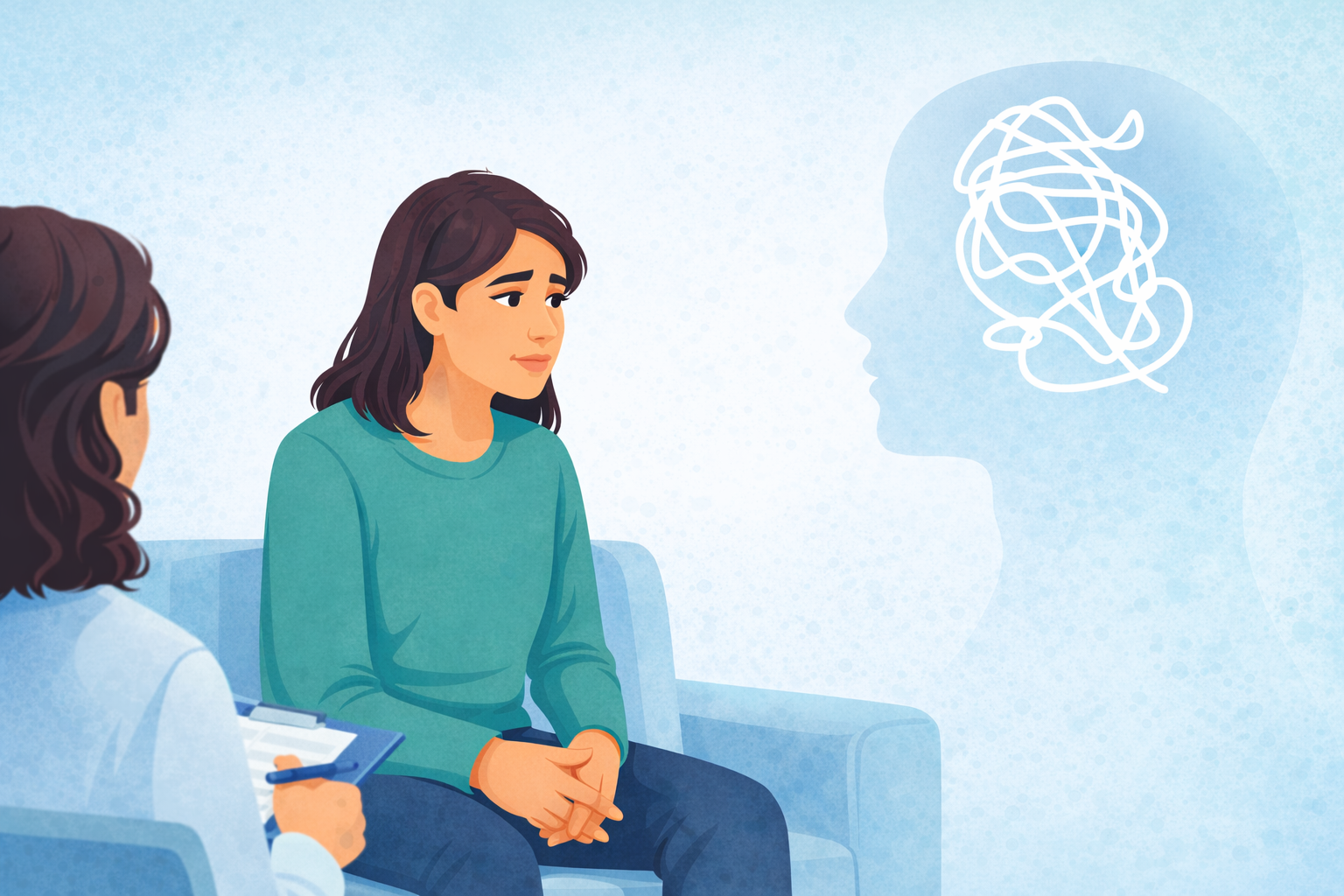
What is Bipolar I Disorder?
Bipolar I disorder is a type of bipolar disorder, a serious mental illness that affects approximately 1% of adults in the United States.1
Manic episodes, including symptoms such as increased energy, hyperactivity and decreased need for sleep, and inflated self-image among other symptoms are characteristic of bipolar I disorder, often lasting more than seven days and possibly requiring hospital care.2 Those living with bipolar I disorder may also experience periods of depression, insomnia and trouble concentrating.2 Bipolar I disorder is diagnosed by a psychiatrist or mental health professional using criteria established in DSM-5. Due to the potential for similarities or cooccurrence with other mental and physical illnesses, patients may experience delays in receiving a diagnosis or be misdiagnosed.2

What is Schizophrenia?
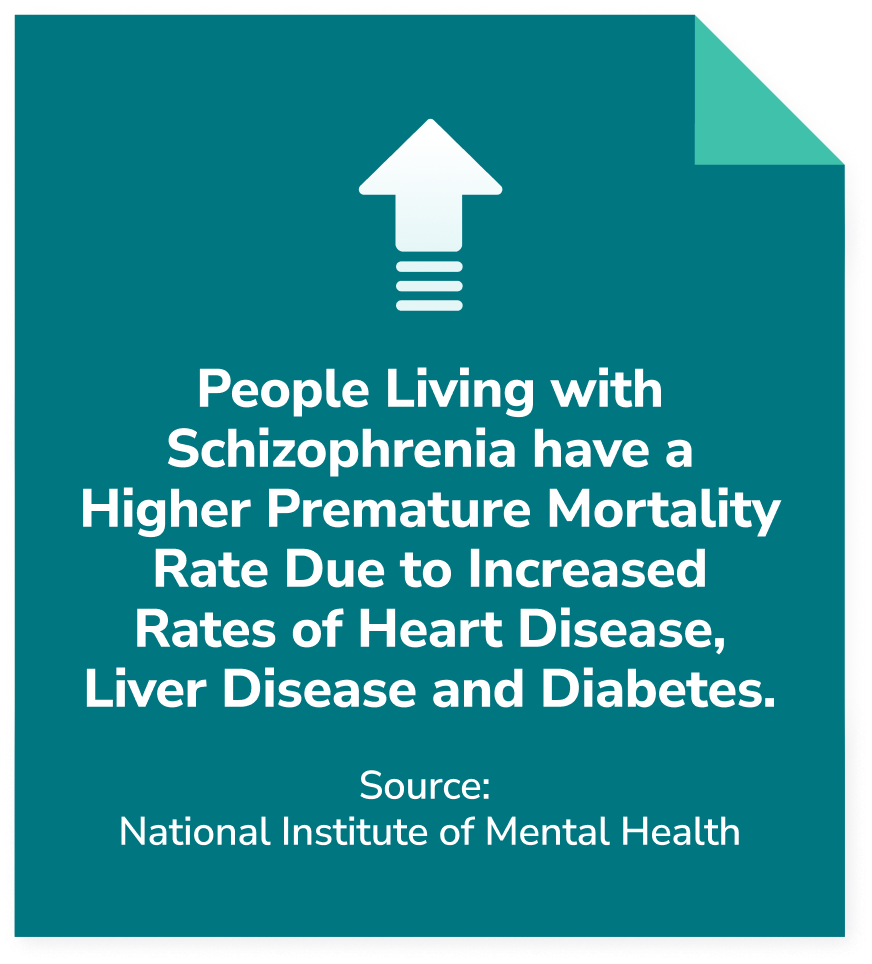
Schizophrenia is a serious, chronic disease characterized by episodes of psychosis.
Relying on interviews and criteria established in DSM-5, mental health professionals will evaluate symptoms, which are commonly categorized as either positive (e.g., delusions, excitement) or negative (e.g., emotional withdrawal, reduced feelings of pleasure or interest), and may also include anxiety and other symptoms.3 These symptoms are often difficult to manage, which has contributed to schizophrenia being one of the leading causes of disability worldwide.4 Often appearing early in life, between the late teens and early 30s,5 schizophrenia affects more than 1% of the United States population.6
References Click to expand

Additional Resources
If you're interested in learning more, this is a partial list of advocacy organizations and resources that can offer additional information on serious mental illness.
These links are provided for informational purposes only; they do not constitute an endorsement by Alkermes. Alkermes is not responsible for the content of these third-party sites.
