

Our People
Earth Day Reflections on Environmental Responsibility
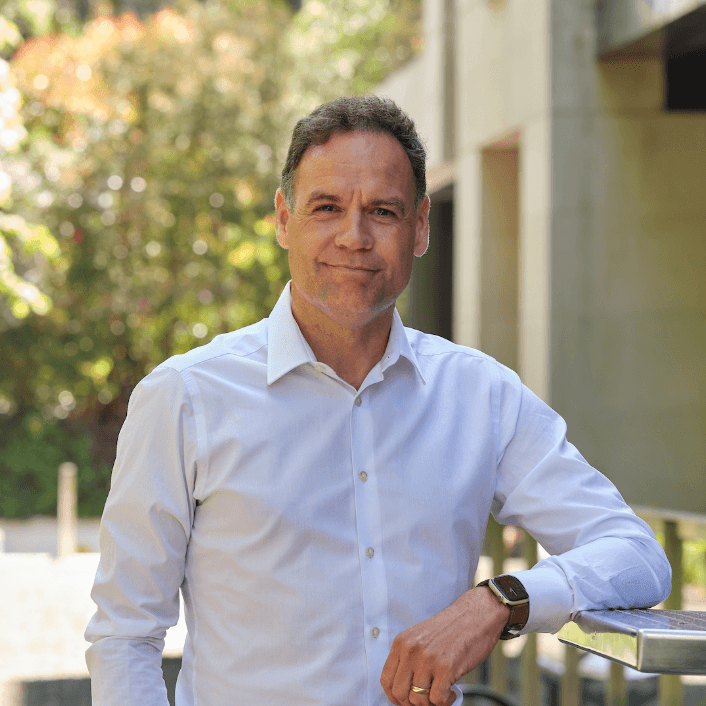
As we mark Earth Day, Gavin Pattison shares his perspective on environmental responsibility and sustainability and what it means to do the right thing day-to-day.
Q: As we celebrate Earth Day, can you explain what EHSS, Sustainability and Facilities is and why it matters at Alkermes?
The Environmental Health, Safety and Security (EHSS), Sustainability and Facilities team is responsible for implementing and continually improving strategies, systems and risk management processes that help ensure a safe, healthy and supportive workplace for our people. As part of this brief, we oversee and manage corporate facilities and physical infrastructure that support our R&D teams and office-based colleagues across the company.
A unifying focus across all these areas is protecting the environment and advancing sustainability. To do this we seek to understand, manage and reduce our impacts. This isn’t something we focus on once a year, it’s embedded into how Alkermes operates day‑to‑day, supporting the business to do important work on behalf of the patient communities we serve, in a responsible and resilient way.
Q: Tell us about your background and how you came to work in this space.
I’m originally from Edinburgh, Scotland, and studied engineering as an undergraduate. Much of my early career was spent in engineering roles in multinational manufacturing settings, working across energy and process engineering, reliability and maintenance and capital project management. That experience gave me a strong appreciation for systems thinking, design and problem solving.
Over time, I developed a deep interest in environmental health and safety and sustainability, particularly the role that organisational culture plays in embedding the protection of people and the environment into everyday business operations.
I joined Alkermes in 2009 at our former manufacturing site in Athlone, where we implemented a multi year EHSS program that drove high levels of workforce engagement, reduced workplace accidents and improved environmental sustainability performance. From there, I moved into a corporate role and have grown with the organisation, taking on broader global responsibilities for EHSS, sustainability and facilities.
Q: What does environmental sustainability mean to you personally and professionally?
Environmental sustainability is about making thoughtful, responsible decisions today so that our operations, our communities and the resources we depend on remain strong tomorrow.
From a professional perspective, it means understanding where we impact the planet, and working to reduce those impacts in a thoughtful, practical and measured way that aligns with business goals. This includes how we use natural resources such as energy and water, how we generate and manage waste, how we reduce emissions and how we address climate-related risks. It is also about continually looking for opportunities to do things better, whether through longer term strategic investments such as energy efficiency projects, air emissions and wastewater treatment infrastructure, or smaller scale initiatives led by teams and individual colleagues such as improved recycling, composting and biodiversity. Over time, these efforts collectively make a meaningful difference.
We also recognise the importance of our supply chain and work collaboratively with key partners to identify opportunities for continuous improvement in environmental performance.
On a personal level, I try to be mindful of the environmental impact of my own and my family’s choices, whether that’s adopting renewable energy technologies, reducing single use plastics or recycling more effectively. Each of us has a role to play in creating a more sustainable world.
Q: How do you define success in your day-to-day work?
A significant part of my role involves strategic planning, stakeholder engagement and risk management. I’m fortunate to work with a highly talented and committed team that shares a strong focus on excellence. Success for us means putting in place and continually improving systems and processes that protect our people, prevent pollution and reduce environmental impacts, while providing high quality facilities across our global footprint. Ultimately, all of this supports the patients and communities we serve.
We strongly believe that success comes from the actions of the many, not the few. It’s a collective effort. Therefore, our role is to help colleagues across the organisation make informed, responsible choices. That requires strong cross functional collaboration, a willingness to work through complex issues together and a culture built on high levels of trust and respect. When people feel heard, empowered and recognised for their contributions, positive change follows.
Q: What advice would you give to people interested in working in sustainability or EHSS?
The most important skill is the ability to work effectively with people. Technical knowledge and capabilities matter of course, but real progress depends on collaboration, listening deeply and building trust. Understanding stakeholder expectations and feedback is essential to create value in a meaningful and lasting way.
Progress in sustainability and environmental work is not necessarily quick, easy or linear. Many of the challenges we are addressing are complex, especially in highly regulated environments such as pharmaceuticals. As a result, people interested in this field need to be able to think strategically and long term, ensuring that sustainability initiatives support business objectives, operational excellence and effective risk management.
Staying curious, being open to different perspectives, remaining practical and committed to continuous learning all make a real difference over time. After all, sustainability isn’t necessarily about doing things differently, it’s about doing the right things, consistently.
Last updated: April 2026